Here is a quick overview of the visual art projects currently on the go in Gorey Youthreach and Gorey Youth Needs Group. Both groups were shown a selection of visual art options and invited to provide their own suggestions. Each group then voted to select their preferred methodology.
Reconnecting with Nature through Botanicals Tiles
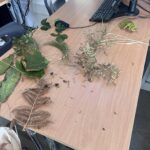
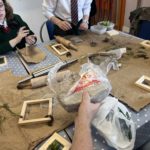
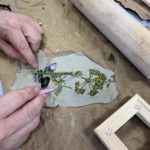
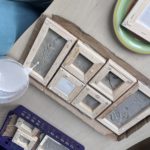
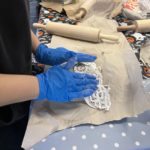
GYNG opted for the botanical tiles so it was all hands on deck as seen in the gallery below. First, we picked the botanicals from a selection I had collected from a local beach. Then, we rolled the clay, rolled the botanical into it to make the imprint, then picked out the botanical using a tweezers from loose bits. Lastly, we placed a frame around the botanical making sure to seal the frame, then poured the plaster and left it to dry overnight. Two hours is usually enough but the building was closing so I popped back the next day to see the results. They’re looking good.
Exploring Climate Change & Climate Justice through Lino Prints
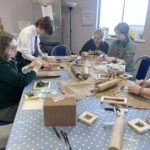
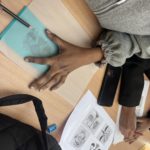
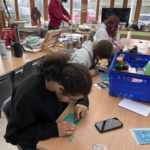
Gorey Youthreach opted for lino printmaking which needed several sessions given the complexity of cutting the plate then experimenting with outputs. The following week, they tried out different colours in terms of ink and paper.

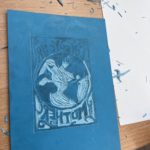
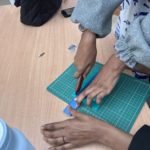
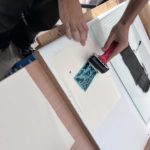
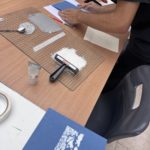
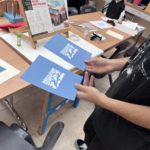
Art as a form of protest with paper clay lettering
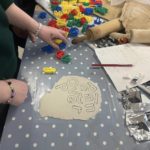
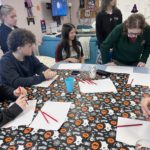
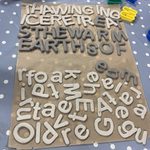
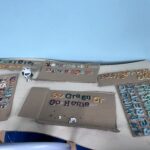
It was time for words for the GYNG group so out came the pens and paper to ideate some slogans and catchphrases around climate change and climate justice. Next, it was time to roll the paper clay and alphabet cutters. One ambitious participant developed a haiku poem which involved a lot of letters. Here are some pics from the workshop. Next week, we’ll be making inks and pigments from natural materials and painting the letters with them.
Exploring food shortage with clay pottery
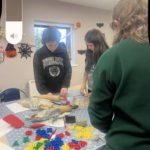
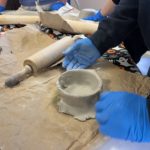
Some students in GCS were on work placement in GYNG on the day so we put them to work using some leftover air dry clay from the botanical tiles. They worked on hand-crafted plates and bowls and even made a little globe with the leftovers.
Making Inks and Pigments from Nature
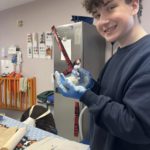
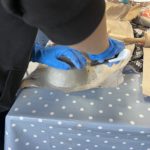
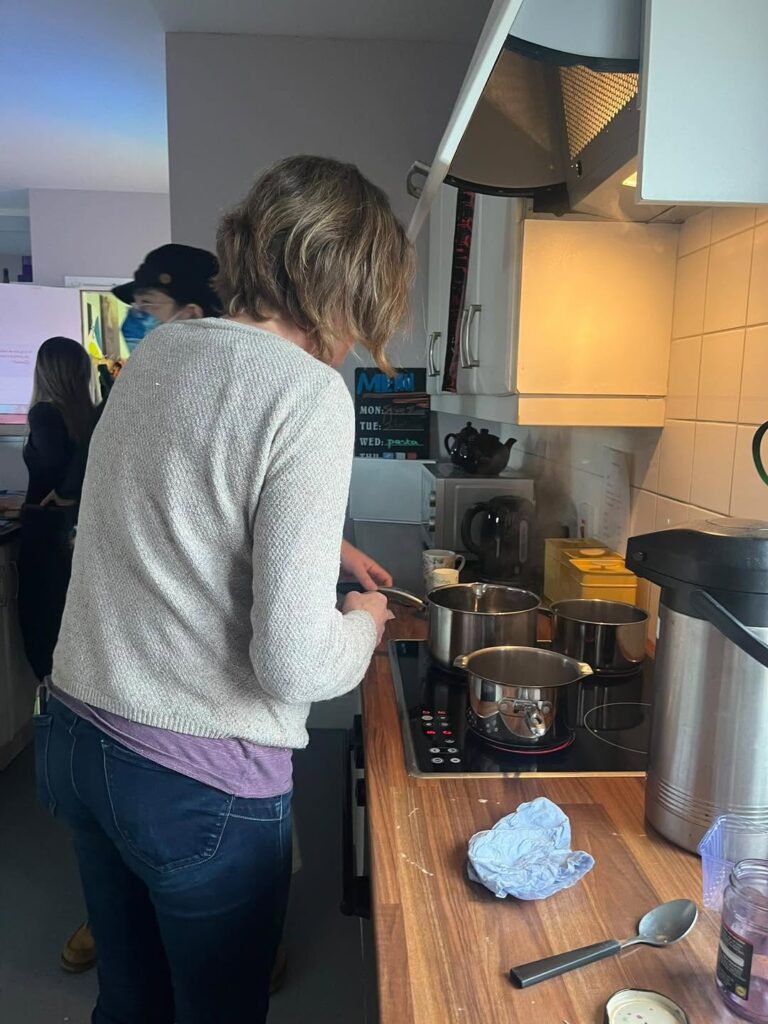
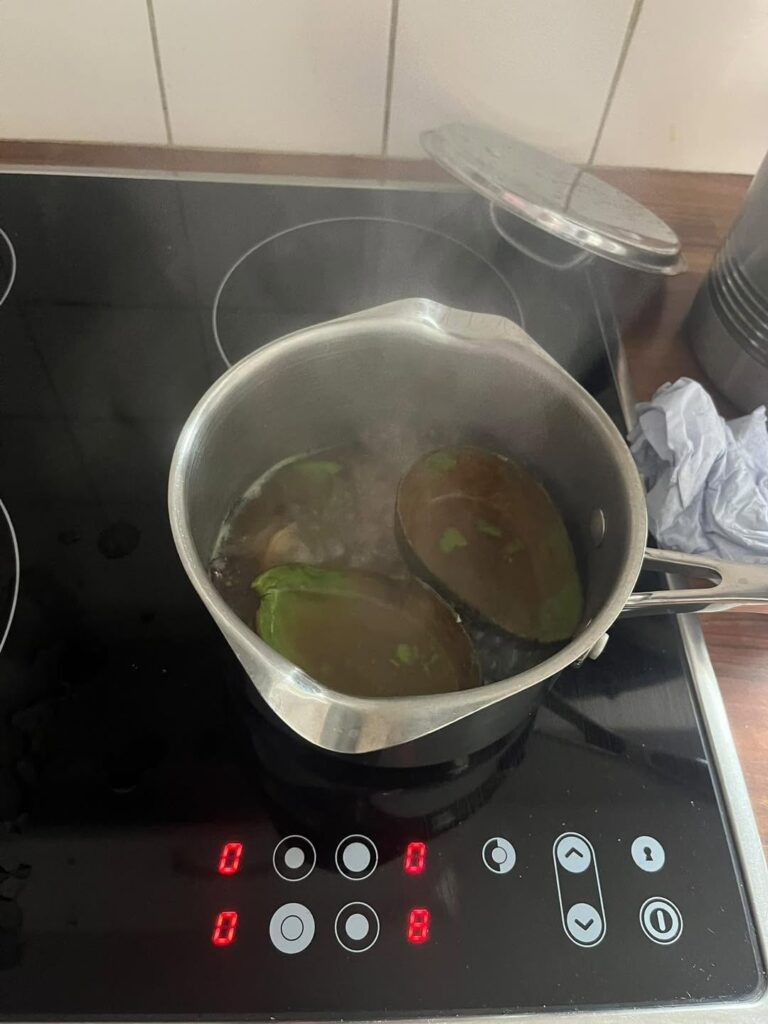
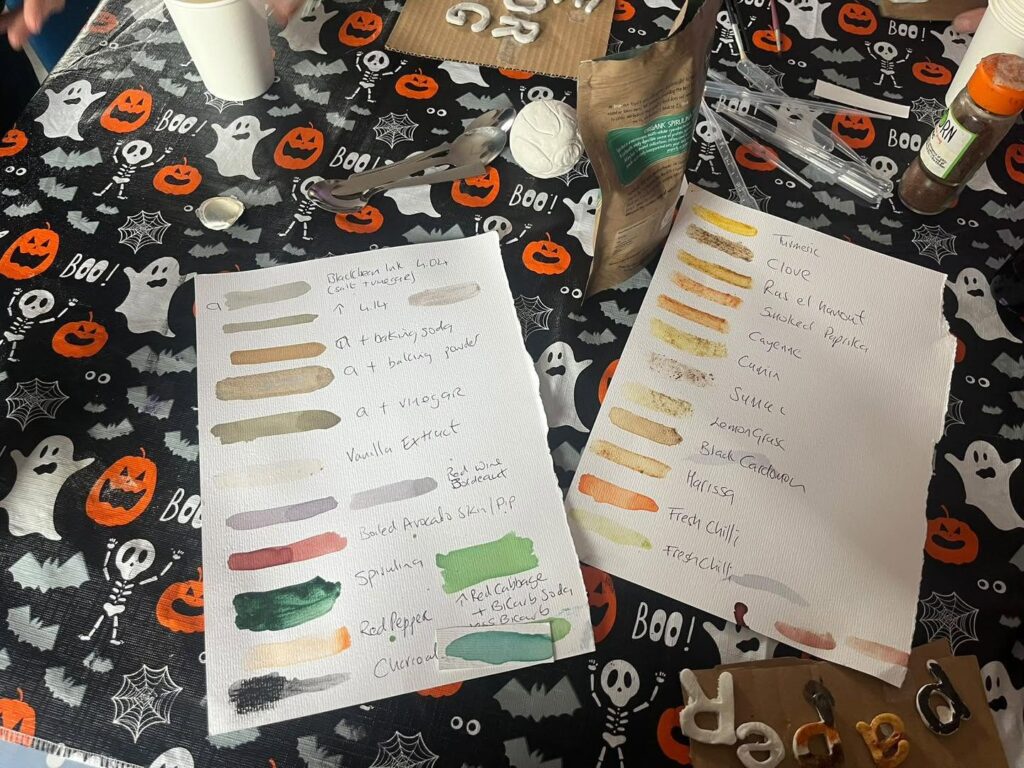
To paint their slogans which had dried over the week, GYNG made a selection of inks and pigments from spices and foods. A small amount of boiling water was mixed with colourful spices such as turmeric, chili, clove and cinnamon and some ground charcoal to make black. The budding scientists joined me in the kitchen to make surprising colours from boiled avocado stones (crimson red) and the juice of soaked black beans – a light grey then variants of blues and greens when we added baking soda. Here are some action pics and the results of our testing. Gum arabic and clove oil were added to bind and preserve the pigments respectively.
Exposing Botanicals with Cyanotype
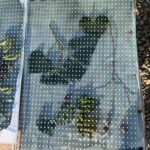
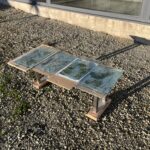
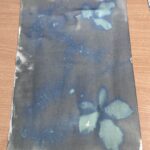
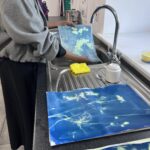
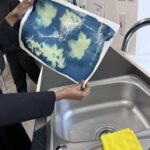
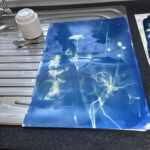
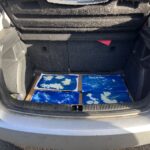
There is no better way to show the natural beauty of flowers and leaves than Cyanotype prints, effectively a photographic process without a camera. You lay out your botanical on dry chemically treated paper, place glass over them and leave them to expose in sunlight for about 20 minutes. Next your wash them off to reveal the beautiful blue tone and leave to dry in a dark place (the boot of my car) for at least 24 hours. Here are some pics of the process in action.