Here is a quick overview of the first few weeks of the programme.
Kick-off Session
All three groups kicked off on Thursday September 10th 2026. Participants were given an introduction to YSI and social innovation. We had a brief discussion on climate change and the key factors contributing to global warming. To introduce the concept of Climate Justice, we played ‘If the world was 30 people‘, a game I played while on Friends of the Earth’s Climate Action Training for Community and Youth Workers in May 2025.
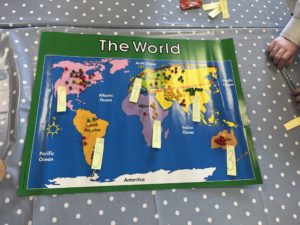
The groups were split into teams and given a map of the world and 3 sets of 30 beads (in different colours) and the numbers 1-6.
Methodology:
1. The world was split into 6 regions: Africa, Asia including Turkey/Middle East, Europe including Russia, North America, Latin America & Caribbean, and Oceania.
2. Teams had to decide how to allocate each set of 30 beads across the world in terms of Population, GDP , CO2 emissions per person. When each set of beads had been apportioned, teams provided the rationale for their allocations and revised the beads when the correct figures were provided, which invariably resulted in a lively group discussion.
3. Teams then had to allocate the numbers in terms of Regional Climate Vulnerability.
Photos of teams at play
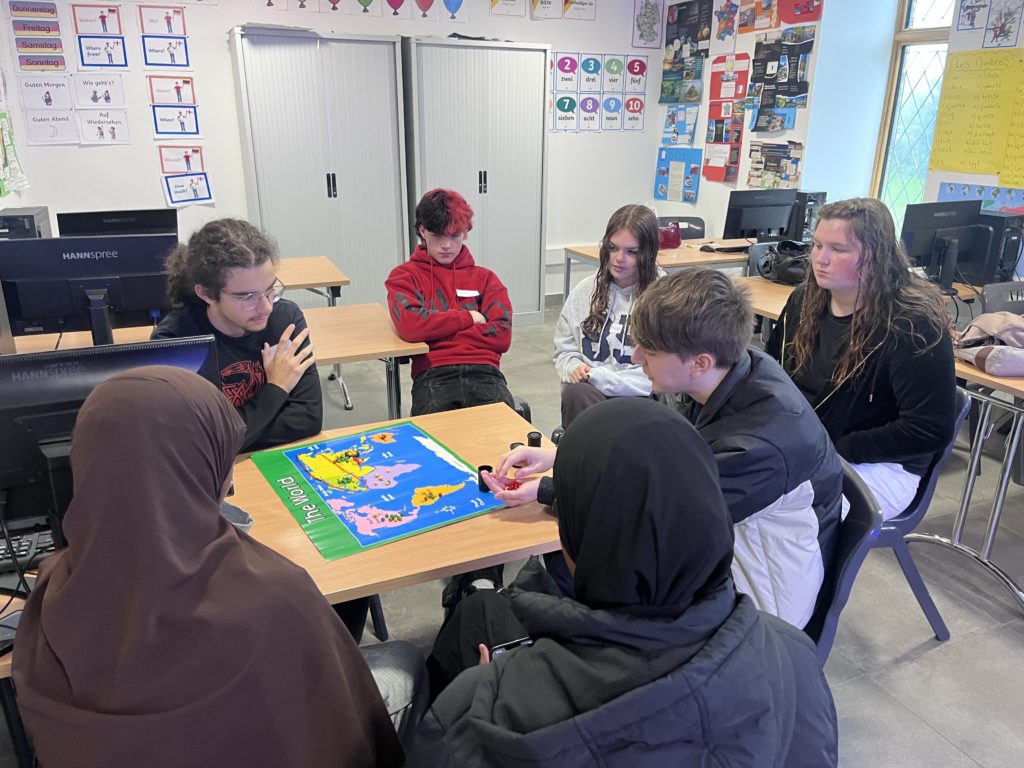
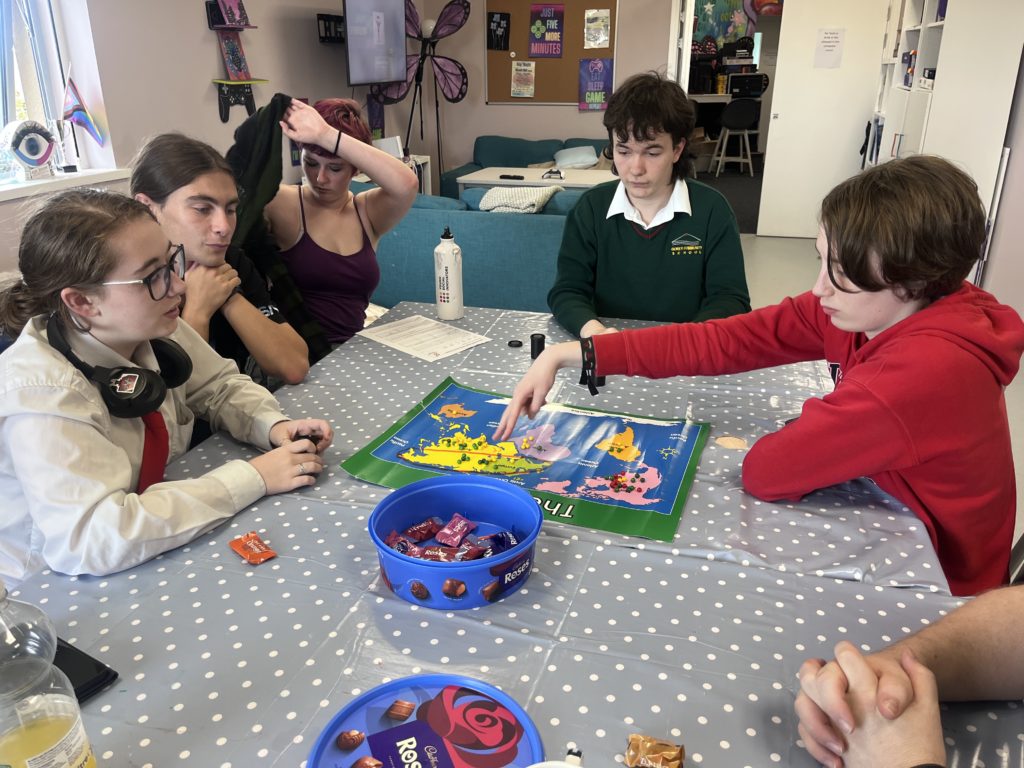
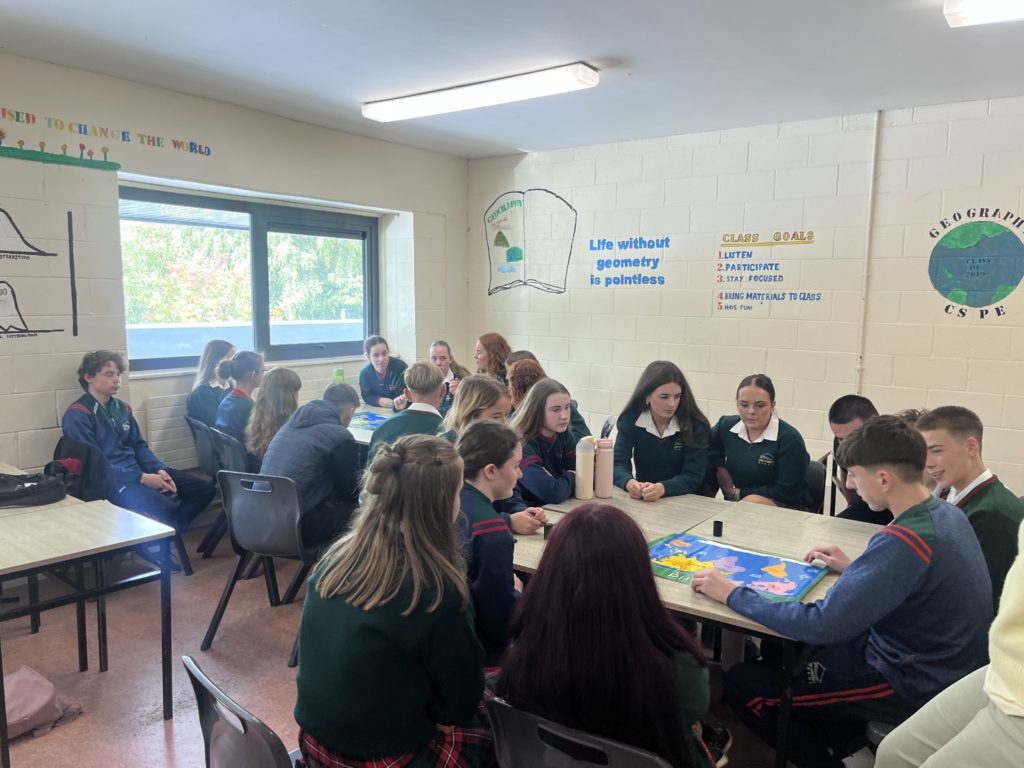
The Completed Map
Climate Justice and Human Rights explained by Amnesty International
Artistic Responses to Social Injustice
Participants were then introduced to the Artivism and how Activist Artists may try to:
– Raise awareness of injustices that have been ignored, have been under-reported, marginalised, or ‘normalised’.
– ‘Humanise’ people and groups whose suffering has been ignored, or to assert their own humanity in the face of inhumane treatment.
– Build and contribute to communities of solidarity and resistance
– Use creativity to help foster visions of a fairer, more sustainable world, and imagine more diverse and equal alternatives to the current system.
– Raise questions, provoke thought, stimulate action and resistance, celebrate successes.
…and much more.
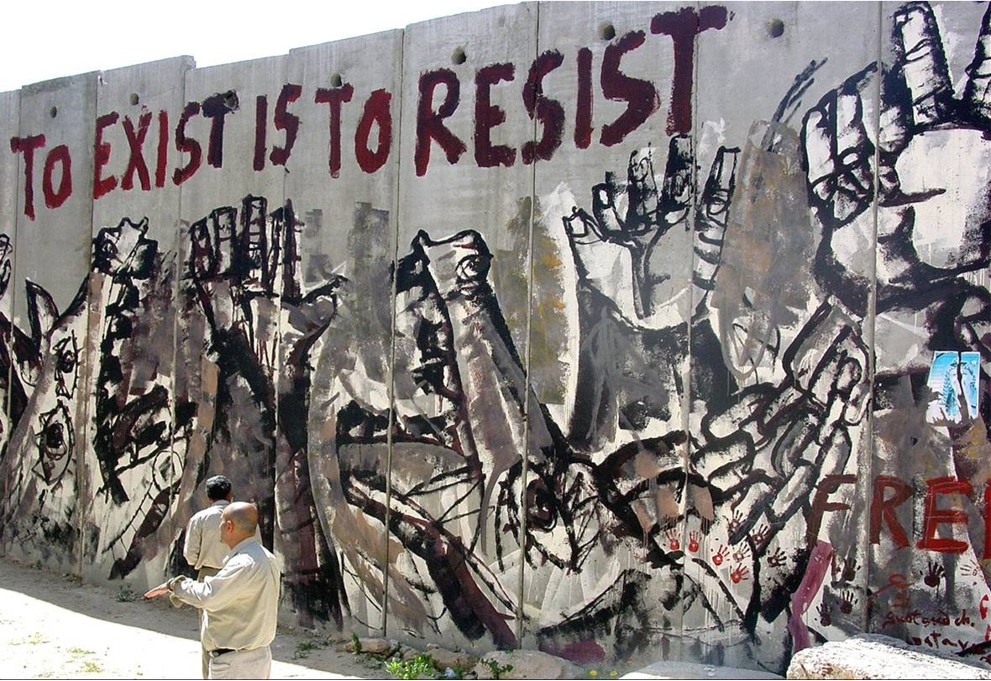
Examples
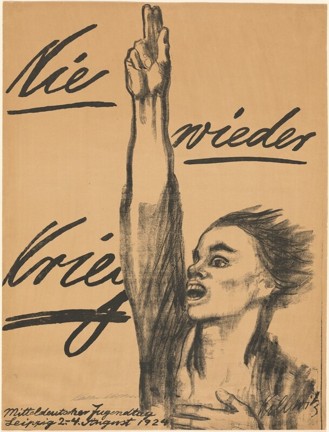
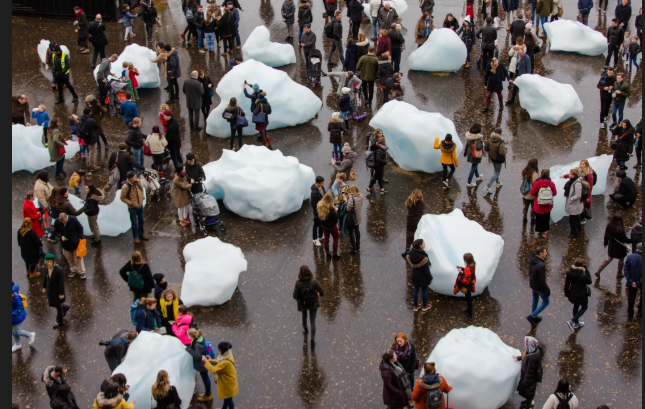
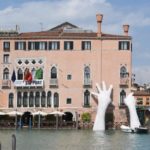
L-R: Poster: Never Again War (1924) by Käthe Kollwitz, probably still the best-known German anti-war poster to this day; Ice Watch (2014), a public art installation by artist Olafur Eliasson and geologist Minik Rosing. It features massive blocks of glacial ice harvested from a fjord in Greenland and placed in city squares. The project lets people touch and watch real Arctic ice melt, turning abstract climate data into a physical experience; Support (2017) by Lorenzo Quinn: Giant white hands emerged from the canals of Venice to prop up the historic Ca’ Sagredo Hotel, visually warning about rising sea levels threatening architecture.
Where the YCJP sits
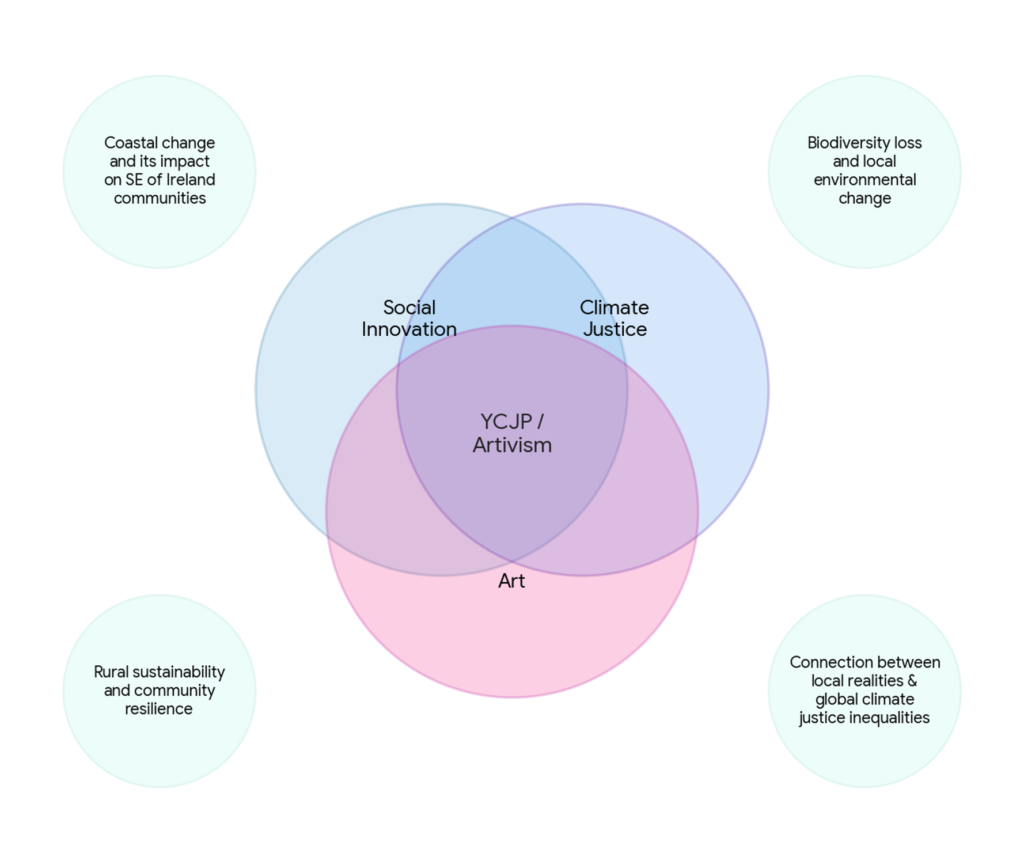
Here is a schema of where the Youth Climate Justice project sits with respect to climate justice, social innovation and artistic endeavour within the framework of the four thematic focus areas:
- Coastal change and its impact on west of Ireland communities
- Biodiversity loss and local environmental change
- Rural sustainability and community resilience
- Connection between local realities and global climate justice inequalities
Team Charters
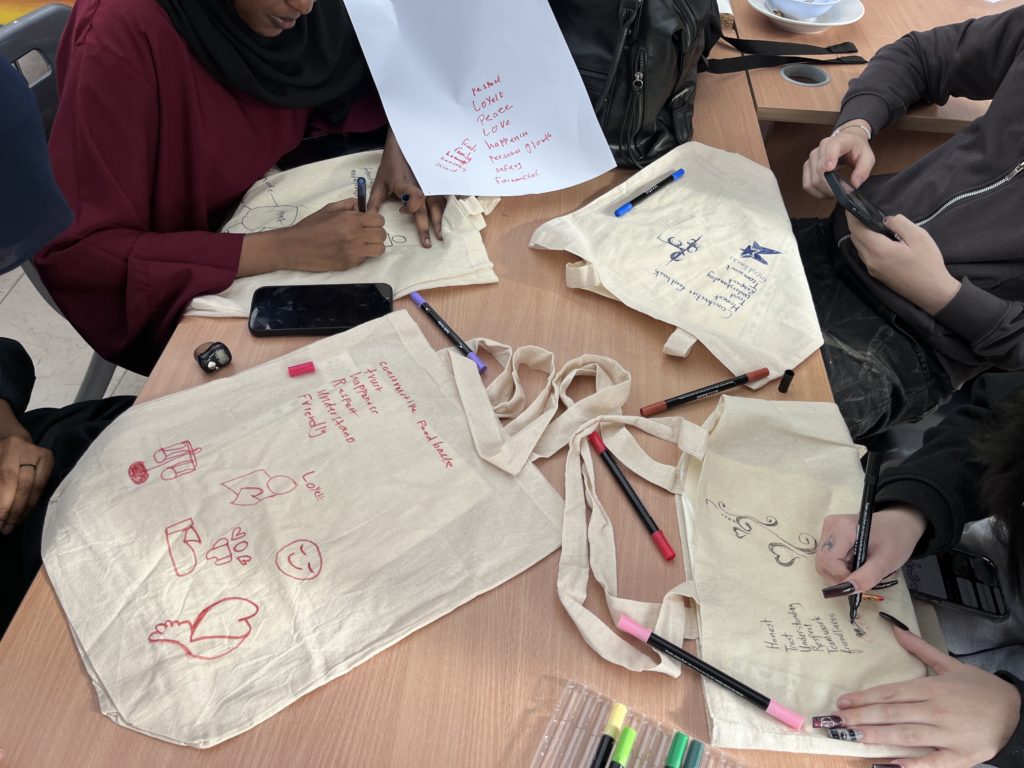
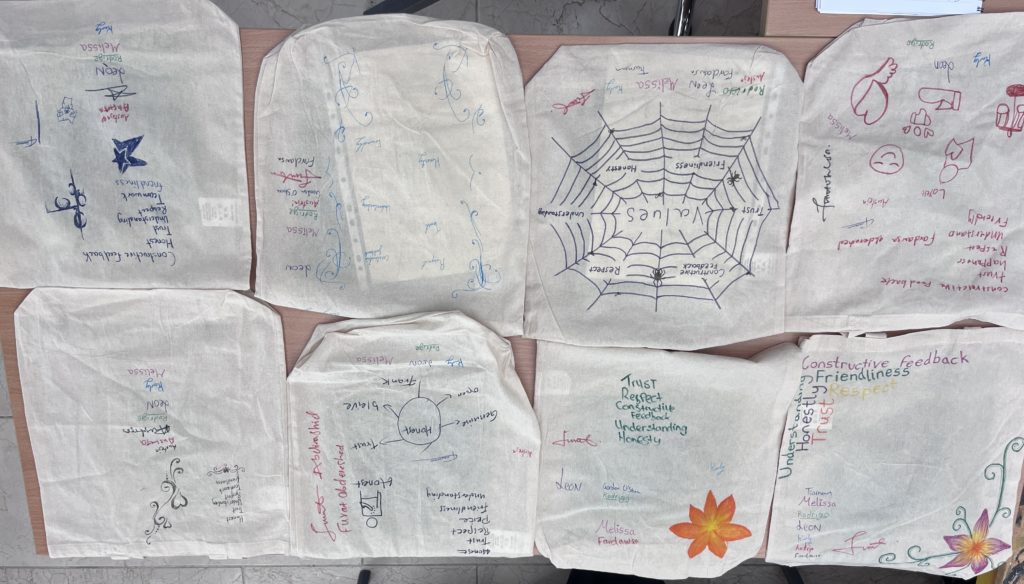
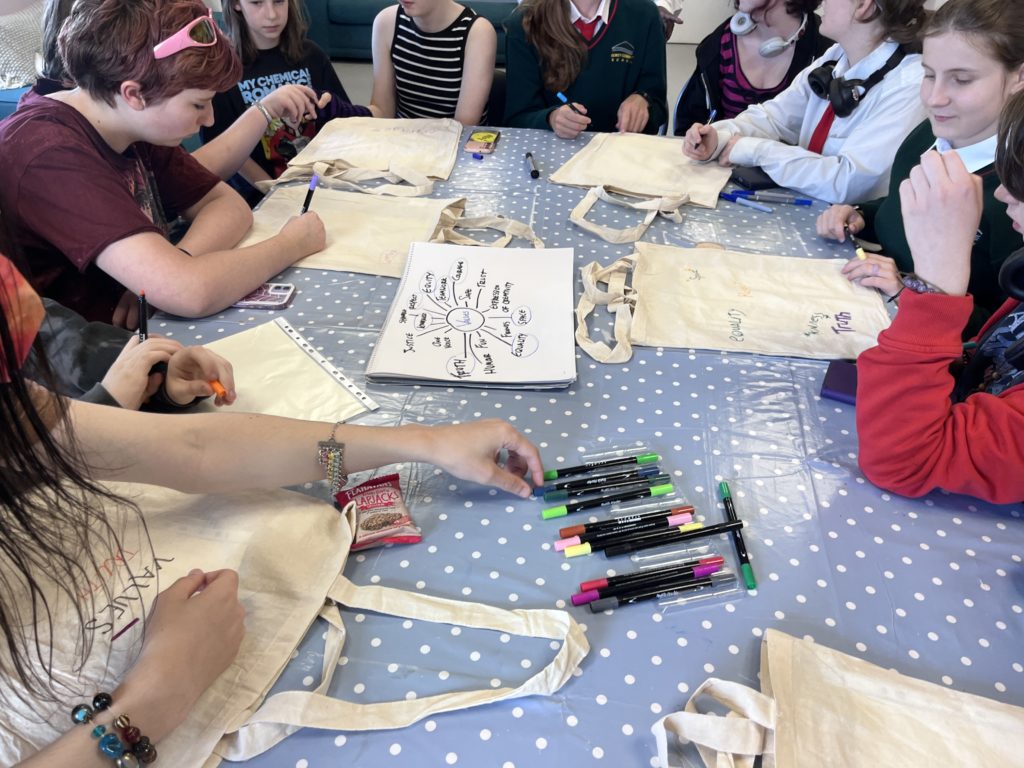
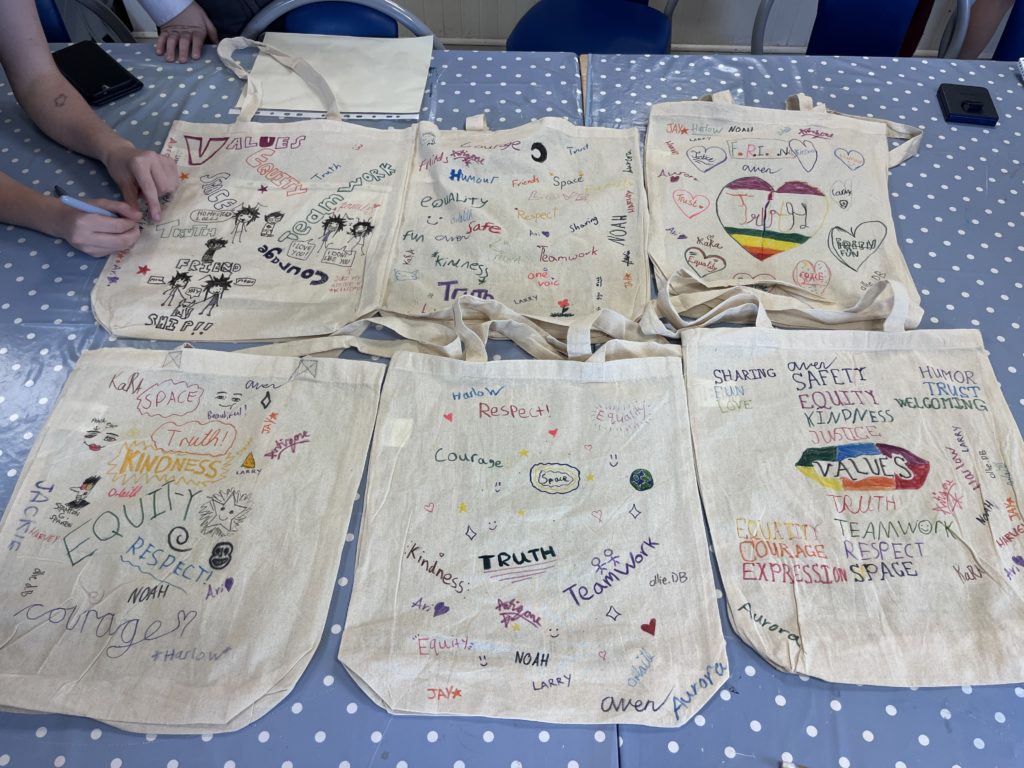
One must feel safe to make art. Through a series of prompts. each cohort came up with a group agreement / team charter about how they’d like to work together for the duration of the programme. Themes that emerged included: Constructive feedback, Honesty, Trust, Respect, Understanding, Friendliness, Space, Truth, Kindness, Equity and Courage.
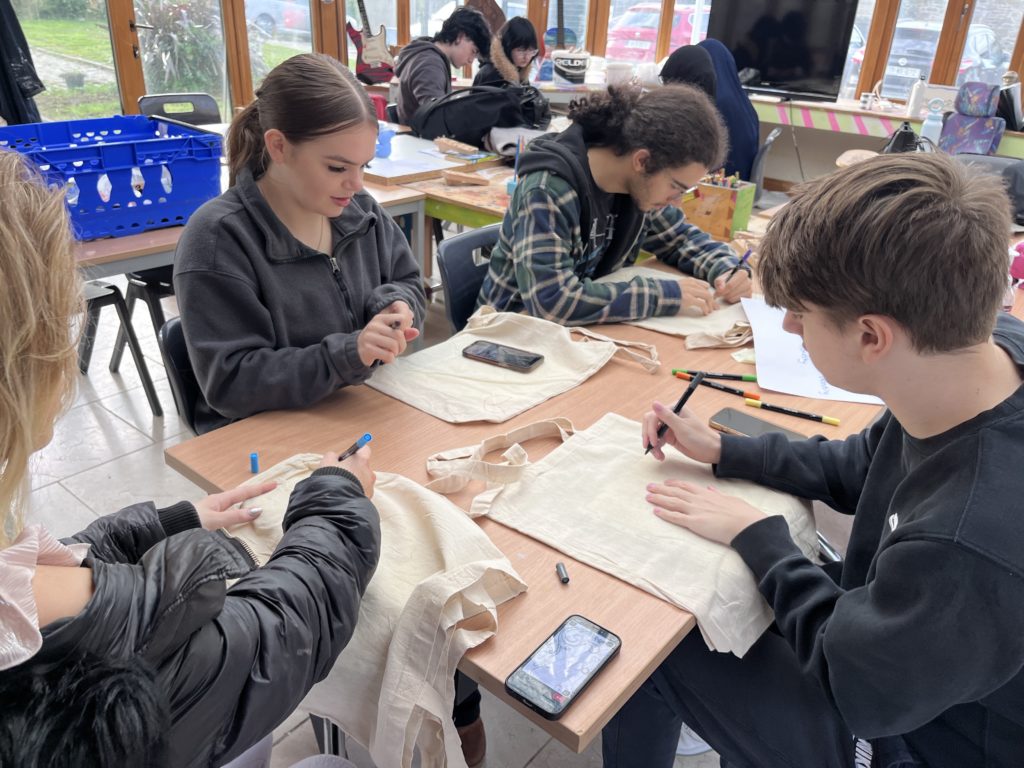
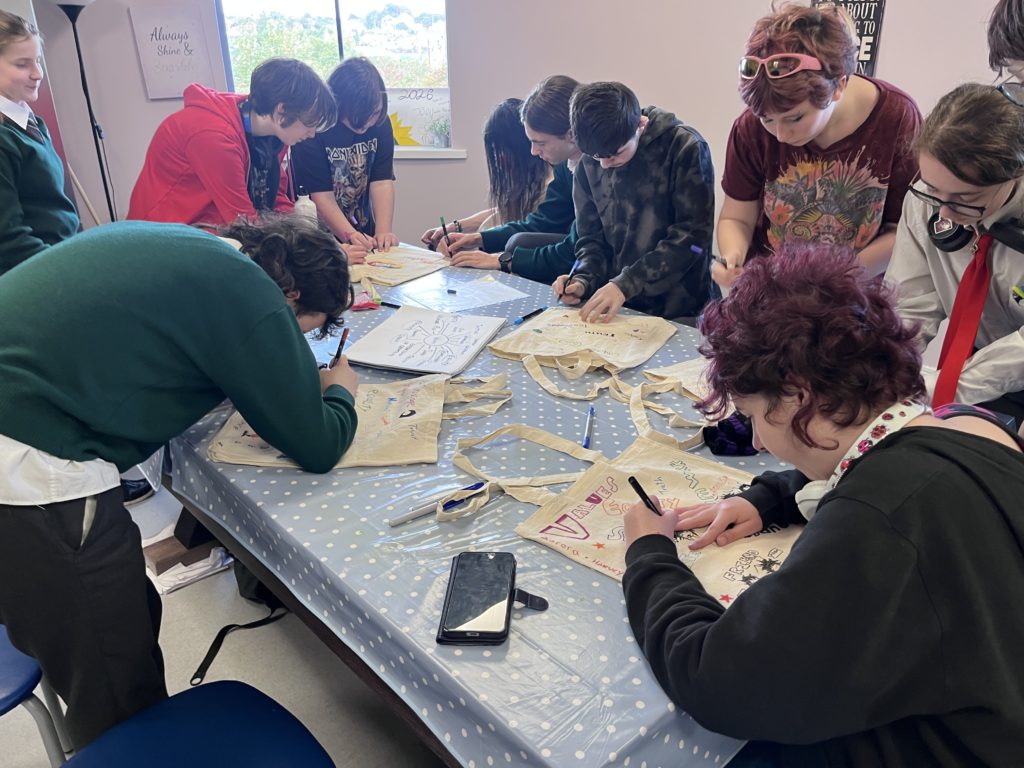
Participants were given tote bags and fabric markers. Working alone or in pairs, they had to illustrate these terms and then sign each bag. It was a gentle easing into making art where participants could use simple typography. Here are some pictures of the youths in action and their beautiful outputs. I look forward to seeing what work we produce over the coming months.